Brand Strategy: Building a Brand People Remember
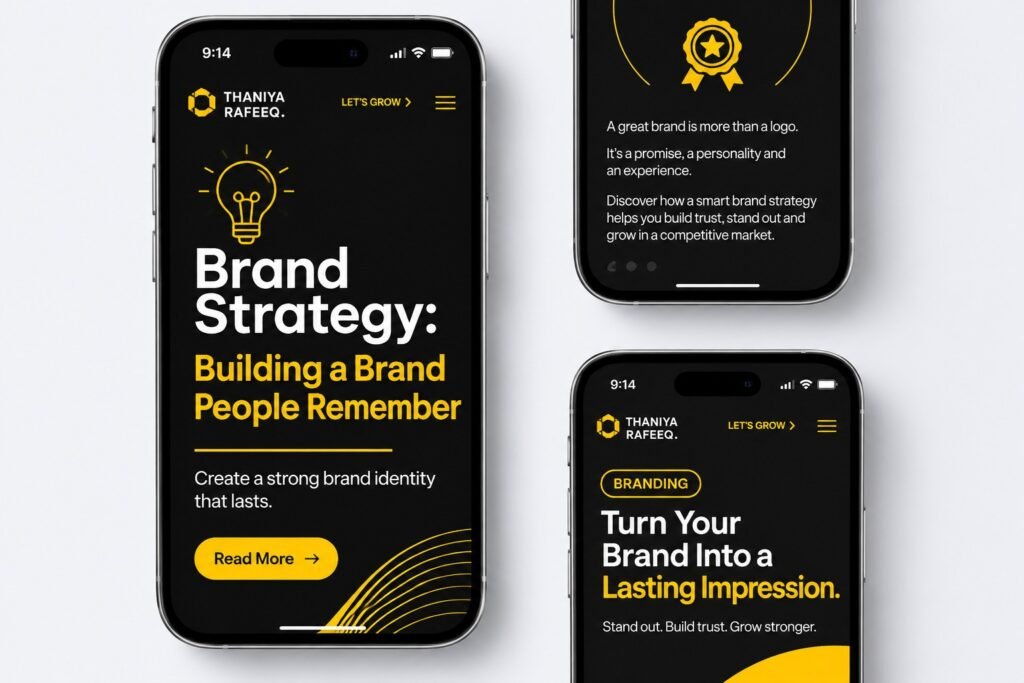
Brand Strategy: Building a Brand People Remember
Introduction
Think about the brands you recognize instantly. Sometimes, you remember their colours before their names, their logo before their products, or their personality before their advertisements.
What makes these brands so memorable?
It is not just attractive design or clever marketing. Behind every recognizable brand is a clear strategy that communicates its identity, values and purpose.
In today’s competitive digital world, creating a business is one thing, but building a brand that people recognize, trust and remember is another.
This is where brand strategy makes a difference.
Brand strategy helps businesses define who they are, what makes them different and how they want customers to perceive them. It creates a strong foundation for meaningful communication and long-term brand growth.
1. What Is Brand Strategy?
Brand strategy is a long-term plan that defines how a business presents itself, communicates with its audience and builds a recognizable identity in the market.
It goes beyond designing a logo or choosing brand colours. It focuses on the overall experience people have when interacting with a business.
A strong brand strategy includes:
Brand purpose and values
Target audience
Brand positioning
Brand personality
Visual identity
Brand voice and communication
Customer experience
When these elements work together, they help create a consistent and recognizable brand.
2. Understand Your Brand Identity
Before creating a memorable brand, you need to understand what your business represents.
Brand identity is the combination of elements that communicate your business personality and purpose.
Start by asking yourself:
What does my brand stand for?
What problems does my business solve?
What makes my brand different?
What values do I want to communicate?
How should people feel when they interact with my brand?
For example, a sustainable fashion brand may focus on simplicity, environmental responsibility and ethical production.
Its colours, messaging, website and social media content should reflect these values.
A clear brand identity helps customers understand what your business represents.
3. Know Your Target Audience
You cannot build a meaningful brand without understanding the people you want to reach.
Your target audience influences everything from your brand voice to your marketing campaigns.
Research your audience’s:
Age and demographic characteristics
Interests and preferences
Needs and challenges
Purchasing behaviour
Online activities
Expectations from businesses
For example, a skincare brand targeting young adults may use friendly language, educational content and modern visuals.
A premium skincare brand may choose a more sophisticated tone and minimalist design.
Understanding your audience allows you to create a brand that feels relevant rather than simply attractive.
4. Create a Unique Brand Positioning
In a crowded market, customers have many choices. Your brand needs a clear reason to stand out.
Brand positioning defines how you want people to perceive your business compared with competitors.
To develop strong positioning, identify:
Your Unique Value: What makes your products or services valuable?
Your Competitive Advantage: What do you offer that makes your business different?
Your Brand Promise: What can customers consistently expect from your brand?
For example, two businesses may sell similar products, but one may position itself around affordability while another focuses on premium quality and personalized service.
The products may be similar, but their brand positioning creates different customer perceptions.
Your goal should be to communicate a clear and meaningful difference.
5. Build a Strong Visual Identity
Visual identity is one of the most recognizable parts of branding.
People often notice colours, typography, logos and design styles before reading a brand’s message.
Important elements include:
Logo: A recognizable symbol or wordmark that represents your business.
Brand Colours: A consistent colour palette that communicates your brand personality.
Typography: Fonts that create a recognizable and readable visual style.
Graphic Elements: Icons, shapes, patterns and illustrations that support your identity.
Photography: Images that reflect your brand’s style, values and products.
For example, a modern technology brand may use dark backgrounds, bold typography and minimal graphics to communicate innovation.
A natural skincare brand may prefer soft colours, organic shapes and clean photography.
The important thing is consistency. Your visual identity should feel connected across your website, packaging, advertisements and social media platforms.
6. Develop a Recognizable Brand Voice
A brand is not only recognized by how it looks but also by how it communicates.
Brand voice represents the personality of your business through language and messaging.
Some brands communicate in a friendly and conversational way, while others use professional, informative or playful language.
To develop your brand voice:
Choose a communication style that matches your personality.
Understand the language your audience prefers.
Use consistent messaging across platforms.
Create content that reflects your brand values.
Avoid copying the communication style of competitors.
A recognizable brand voice makes communication feel more personal and consistent.
7. Build a Strong Digital Brand Presence
Today, your brand exists across multiple digital touchpoints.
Customers may discover your business through Google, social media, online advertisements, websites or customer reviews.
Each interaction contributes to their perception of your brand.
Here are some important ways to strengthen your digital presence:
Website: Create a professional website that clearly communicates your brand identity and services.
Search Engine Optimization: Improve your website’s visibility so potential customers can discover your business through relevant searches.
Social Media: Share consistent content that communicates your brand personality and values.
Content Marketing: Publish useful articles, videos and educational content that build trust and demonstrate expertise.
Online Reputation: Encourage genuine customer feedback and respond professionally to reviews and enquiries.
A consistent digital presence helps customers recognize your brand wherever they find it.
8. Create Consistency Across Every Customer Experience
Imagine visiting a brand’s Instagram page and seeing a modern, professional identity, but its website looks completely different.
This creates confusion.
Brand consistency means maintaining the same identity, messaging and overall experience across every customer touchpoint.
This includes:
Website design
Social media content
Email communication
Product packaging
Advertisements
Customer service
Business presentations
Consistency makes your brand easier to recognize and helps establish familiarity and trust over time.
9. Measure and Improve Your Brand Strategy
Brand strategy is not something you create once and forget.
Customer expectations, market trends and business goals change. Your strategy should evolve while maintaining your core identity.
Some useful indicators to monitor include:
Brand Awareness: How many people recognize or know about your brand?
Engagement: How actively do people interact with your content?
Website Traffic: Are people discovering and exploring your website?
Brand Mentions: Are people talking about your business online?
Customer Feedback: How do customers describe their experience with your brand?
Conversions: Are your marketing activities encouraging meaningful actions?
Use these insights to understand how people perceive your business and identify opportunities for improvement.
Final Thoughts
A memorable brand is not built overnight. It develops through a clear purpose, thoughtful strategy, consistent communication and meaningful customer experiences.
Your logo may introduce your business, your colours may attract attention and your content may create engagement. But it is the overall experience that helps people remember your brand.
Don’t just focus on making your business look different. Focus on giving people a reason to recognize, trust and choose it.
Build an identity. Create a connection. Make your brand unforgettable.
— Thaniya Rafeeq
Freelance Digital Marketing Expert in Kasaragod